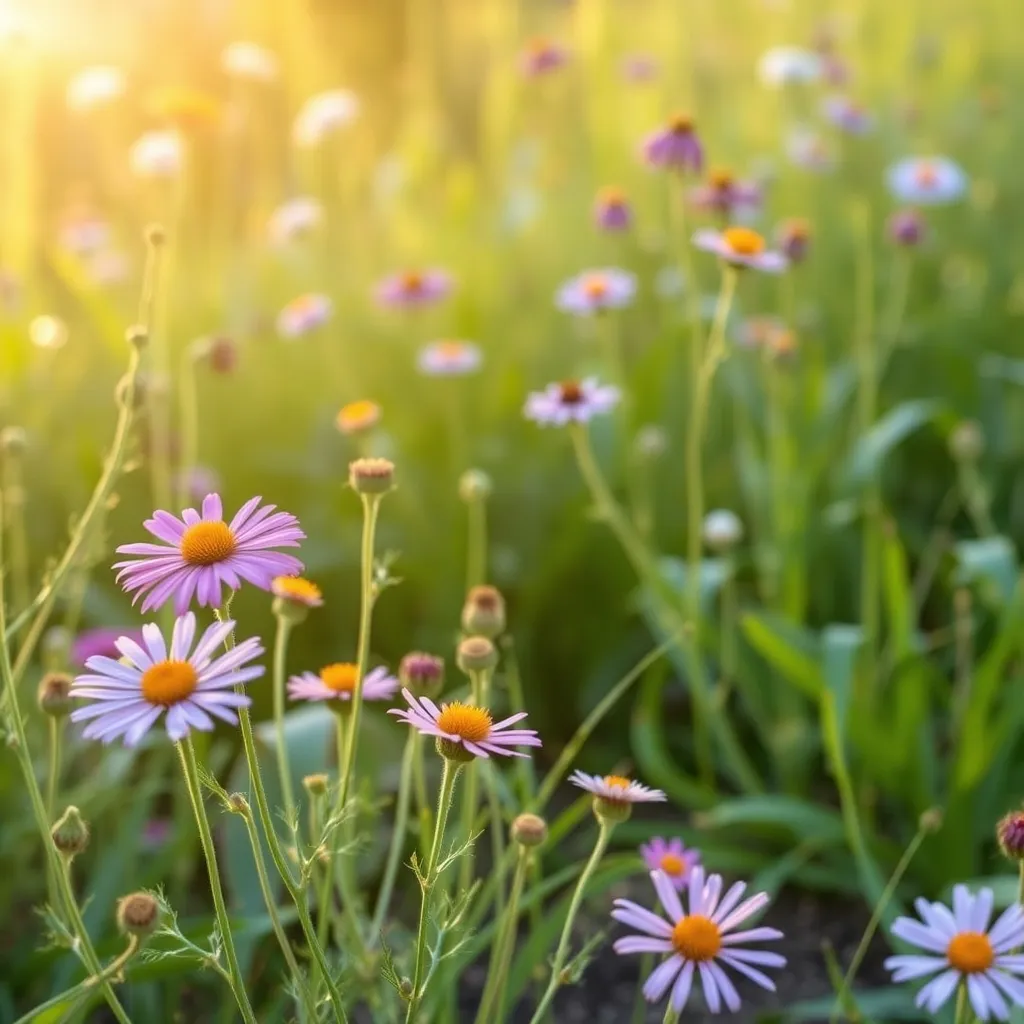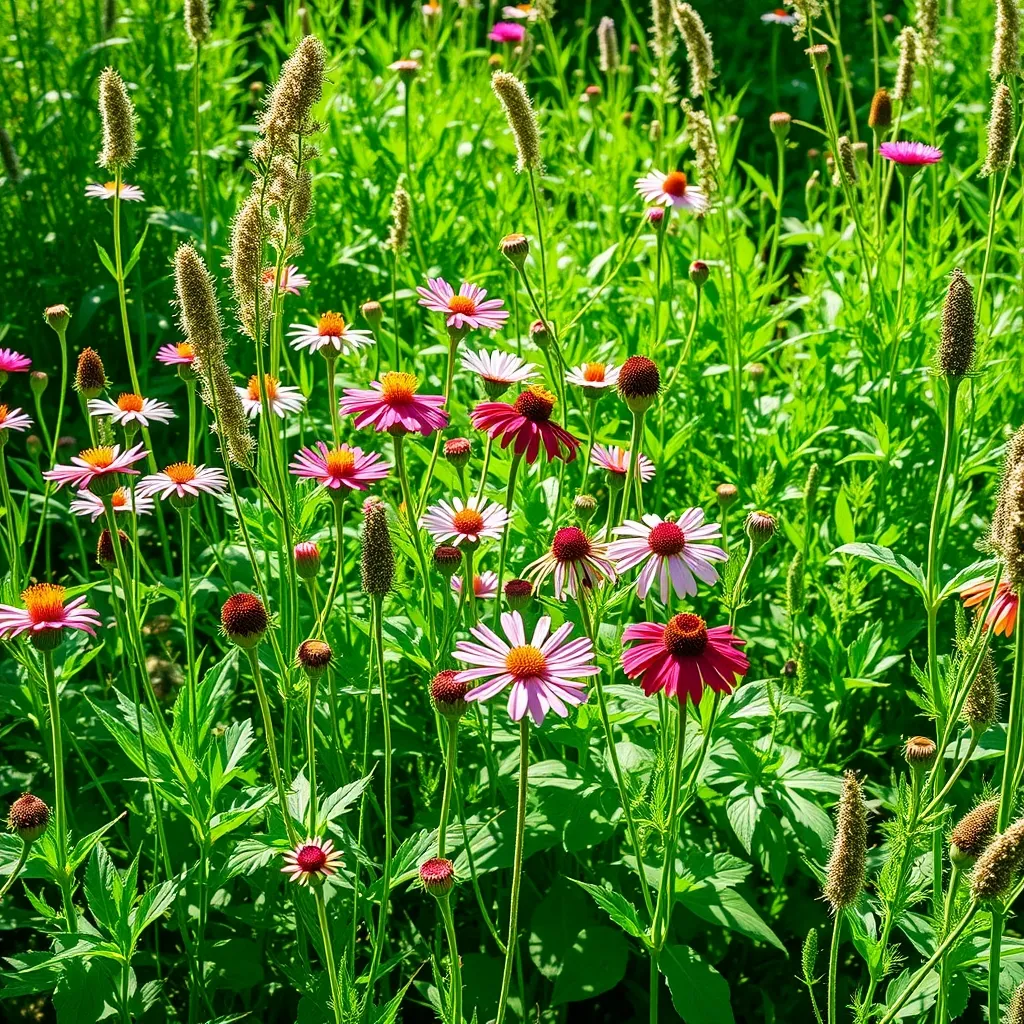
There’s something magical about a wildflower meadow—its undulating waves of color, the gentle hum of pollinators, and the effortless charm that turns even the smallest garden into a haven for wildlife. Unlike traditional lawns, a wildflower meadow requires minimal upkeep once established, making it an ideal choice for busy gardeners who want to embrace nature without sacrificing style. Whether you’re starting from scratch or converting an existing patch of grass, this guide will walk you through the essential steps to create your own backyard sanctuary.
Begin by selecting a site with at least six hours of sunlight per day, as most wildflowers thrive in full sun. If your soil is particularly rich or compacted, consider adding a thin layer of sand or grit to mimic the lean conditions these plants prefer. For inspiration on long-blooming perennials to complement your meadow, explore our guide on perennial flowers that bloom all summer long, which offers a curated selection of species that can enhance your meadow’s seasonal appeal.
Choosing the Right Wildflowers
The key to a successful wildflower meadow lies in selecting species that are native to your region. Native wildflowers are adapted to your local climate and soil, requiring far less water and care than their exotic counterparts. Start with a mix of annuals and perennials to ensure year-round interest. Poppies, cornflowers, and oxeye daisies are excellent annuals that self-seed readily, while perennials like yarrow, red clover, and black-eyed Susan provide structure and longevity. For a detailed list of regionally appropriate species, consult the Royal Horticultural Society’s wildflower database, which offers invaluable insights into which plants will flourish in your area.
When sowing your meadow, scatter the seeds evenly across the prepared soil and lightly rake them in to ensure good contact. Avoid walking on the area afterward to prevent disturbing the seeds. Water gently but thoroughly, keeping the soil moist until germination occurs. Once established, your meadow will need little more than an annual cutback in late autumn to encourage new growth and maintain its wild, untamed beauty.
Maintaining Your Meadow
One of the greatest joys of a wildflower meadow is its low-maintenance nature. Unlike a manicured lawn, a meadow doesn’t demand weekly mowing or chemical treatments. Instead, let nature take the lead: allow the grasses and wildflowers to grow freely, and only intervene if invasive species begin to dominate. A single annual cut in late summer or early autumn—using a scythe or strimmer—will suffice to keep the meadow healthy and encourage biodiversity. This late cut also provides shelter for overwintering insects and small mammals, further enriching your garden’s ecosystem.
Remember, patience is essential. A wildflower meadow is a living tapestry that evolves with each passing season. In its first year, you may see more grass than flowers, but by the second or third year, your meadow will burst into a riot of color and life. Embrace the imperfections and enjoy the process—after all, the true magic of a wildflower meadow lies in its wild, unscripted beauty.