As the days grow longer and the sun climbs higher, there’s nothing more rewarding than a garden in full, uninterrupted bloom. For gardeners who crave color without the constant replanting, perennials that flower all summer long are the answer. These resilient plants return year after year, their roots deepening with each season, while their blossoms keep your borders vibrant from early summer until the first frosts. Whether you’re planting a cottage garden, a modern landscape, or simply filling gaps between shrubs, these stalwart performers deserve a place in every plot.
One of the joys of perennial gardening is watching your investment pay off season after season. Unlike annuals, which demand replanting each year, these hardy varieties establish themselves over time, becoming more robust with each passing year. Many also attract pollinators like bees and butterflies, turning your garden into a haven for wildlife. If you’re new to perennials, start with a few tried-and-tested favorites that promise reliable color and minimal fuss.
Top Perennials for a Summer-Long Display
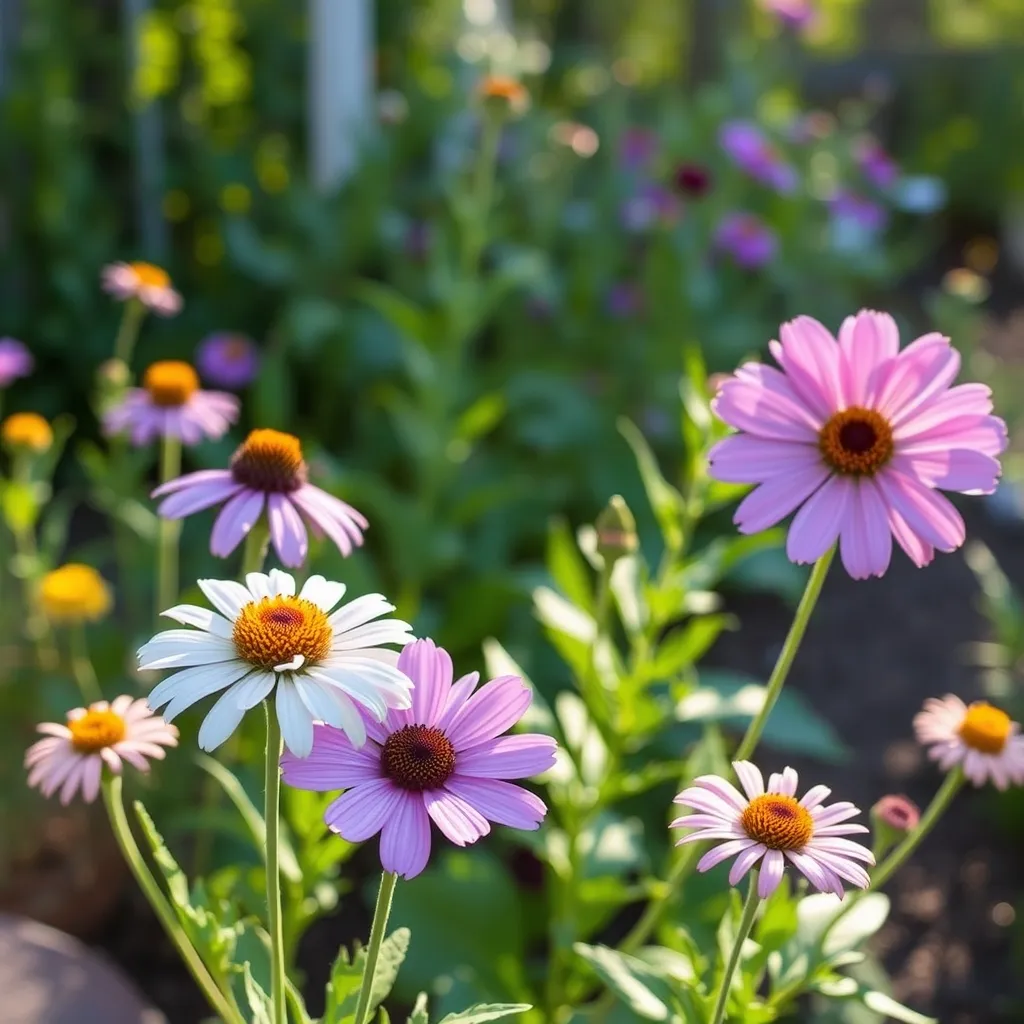
Among the most reliable summer bloomers is the Echinacea, or coneflower, whose daisy-like petals and prominent central cones create a striking focal point in any border. These North American natives are drought-tolerant once established and thrive in full sun, making them ideal for hot, dry summers. For a softer touch, Shasta daisies (Leucanthemum × superbum) offer cheerful white blooms that pair beautifully with other perennials. Their long stems make them excellent cut flowers, too, bringing a touch of the garden indoors.
Another star of the summer garden is the Phlox paniculata, or tall garden phlox, which produces clusters of fragrant flowers in shades of pink, purple, white, and red. These plants prefer moist, well-drained soil and partial shade in hotter regions, but their impact is undeniable. For a more compact option, consider Coreopsis, whose bright yellow or orange blooms seem to glow in the summer sun. These tough plants are perfect for filling gaps in borders or spilling over the edges of containers.
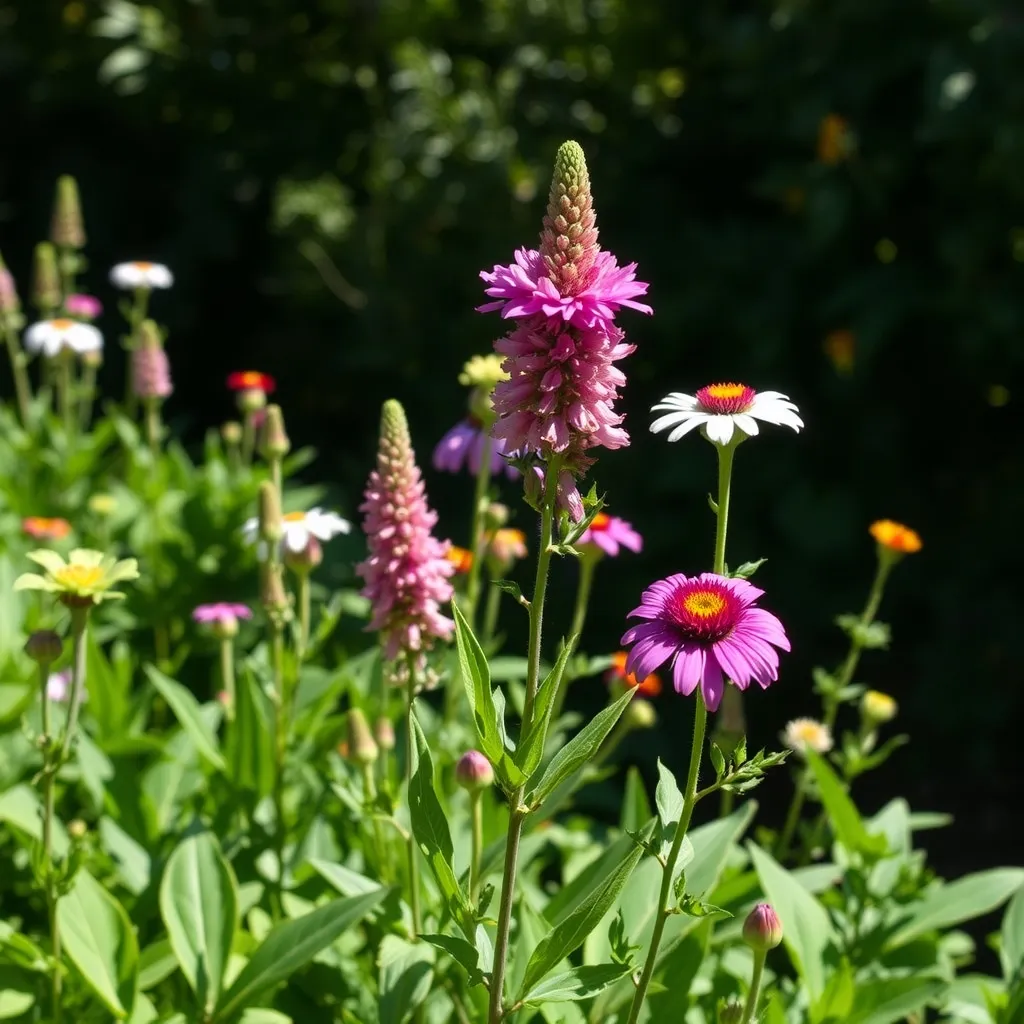
If you’re looking to add height to your garden, Delphinium and Lupin are excellent choices. Their tall spikes of blue, purple, or white flowers create a dramatic vertical element, while their foliage provides a lush backdrop for lower-growing plants. For a more modern look, Agastache (anise hyssop) offers spiky purple or blue flowers that attract both pollinators and hummingbirds. Its aromatic leaves can even be used in teas, adding a practical benefit to its beauty.
To keep your summer garden looking its best, deadheading spent blooms will encourage repeat flowering and maintain a tidy appearance. Mulching around the base of plants in early summer helps retain moisture and suppress weeds, giving your perennials the best chance to thrive. And if you’re unsure about planting times or care routines, the Rose Garden Care Calendar offers a helpful month-by-month guide that can be adapted for many perennials.
Design Tips for a Cohesive Summer Garden
Creating a garden that blooms all summer long is as much about design as it is about plant selection. Start by choosing a color palette that complements your home or existing landscape. A monochromatic scheme, such as shades of purple and blue, can create a calming, cohesive look, while a mix of warm tones like reds, oranges, and yellows will energize the space. For a classic cottage garden feel, combine soft pinks, whites, and creams with touches of blue and purple.
Layering plants by height is another key principle. Place taller varieties at the back of borders or along fences, mid-height plants in the middle, and low-growing or trailing plants at the front. This not only creates visual interest but also ensures every plant gets the sunlight it needs. Don’t forget to include foliage plants like Heuchera or Hosta for texture and contrast when flowers are not in bloom.
For gardeners seeking inspiration, the Royal Horticultural Society offers a wealth of resources, including plant finder tools and seasonal advice. Their expert guidance can help you choose the best perennials for your specific climate and soil type, ensuring your garden remains a source of joy for years to come.