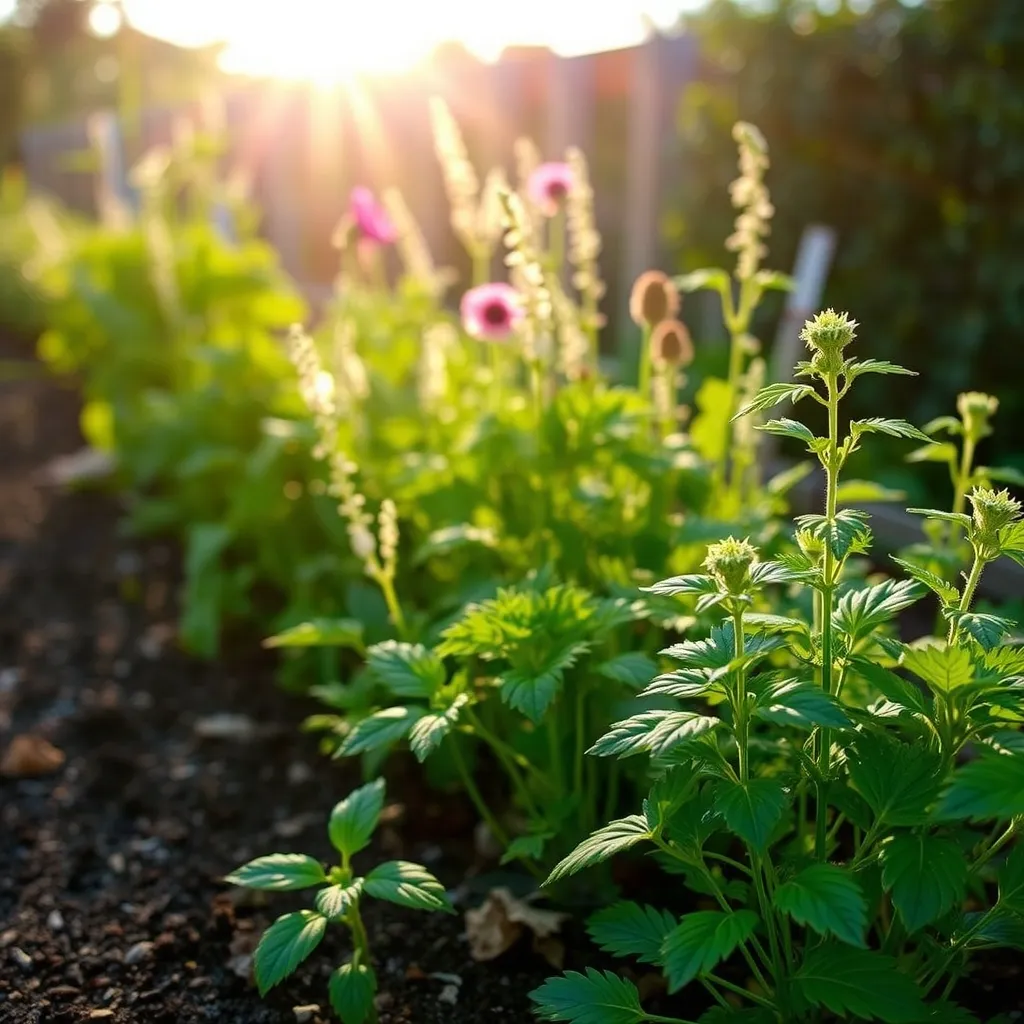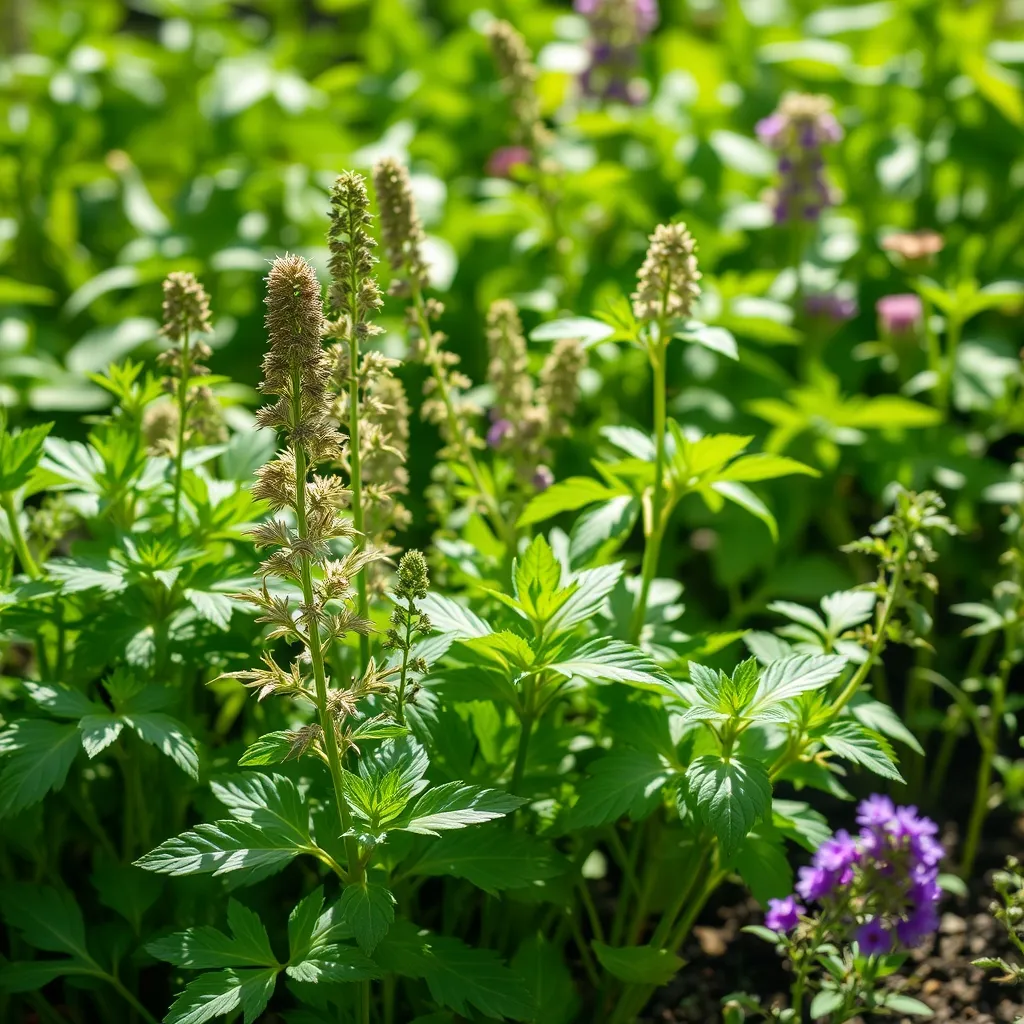
There’s something deeply satisfying about growing your own medicinal herbs at home. Not only do they add fresh flavor to your meals, but many also boast healing properties that have been trusted for centuries. Whether you’re a seasoned gardener or just starting out, these five herbs are beginner-friendly and can be cultivated in small spaces like windowsills or balconies. If you’re new to herb gardening, you might find our guide on how to start a herb garden on your kitchen windowsill helpful for setting up your first project.
Herbs for Everyday Wellness
One of the simplest ways to incorporate medicinal herbs into your routine is by growing them yourself. These plants are hardy, require minimal space, and can be harvested as needed. For instance, the Royal Horticultural Society’s herb guide offers detailed insights into cultivating these plants effectively. Here are five standout options:
Peppermint (Mentha × piperita) – A refreshing herb known for soothing digestive issues and easing headaches. Grow it in a pot to prevent it from spreading uncontrollably. Simply steep a few leaves in hot water for a calming tea that also freshens breath.
Chamomile (Matricaria chamomilla) – Famous for its calming effects, chamomile is often used in teas to promote relaxation and improve sleep. The delicate white flowers can brighten up any windowsill garden, and the plant thrives in partial sunlight.
Lemon Balm (Melissa officinalis) – With a citrusy aroma, lemon balm is a natural stress reliever and can help with mild anxiety. It’s also a great companion plant in your herb garden, deterring pests like mosquitoes. Crush a few leaves to release its uplifting scent.
Echinacea (Echinacea purpurea) – Often used to boost the immune system, echinacea is a striking purple coneflower that adds beauty to your garden. While it prefers outdoor conditions, it can adapt to large containers indoors if given enough light.
Thyme (Thymus vulgaris) – Beyond its culinary uses, thyme has antiseptic properties and is often used in herbal remedies for respiratory issues. This drought-tolerant herb is perfect for beginners and thrives in sunny spots.
Tips for Success
Growing medicinal herbs at home doesn’t require a green thumb, but a few key practices can ensure your plants flourish. Start by choosing the right containers with drainage holes to prevent root rot. Most herbs prefer well-draining soil and at least six hours of sunlight daily. If natural light is limited, consider supplementing with a grow light.
Regular harvesting encourages bushier growth, so don’t hesitate to snip leaves or flowers as needed. Just remember to leave enough foliage for the plant to continue thriving. With a little care, you’ll have a thriving apothecary of homegrown remedies at your fingertips.