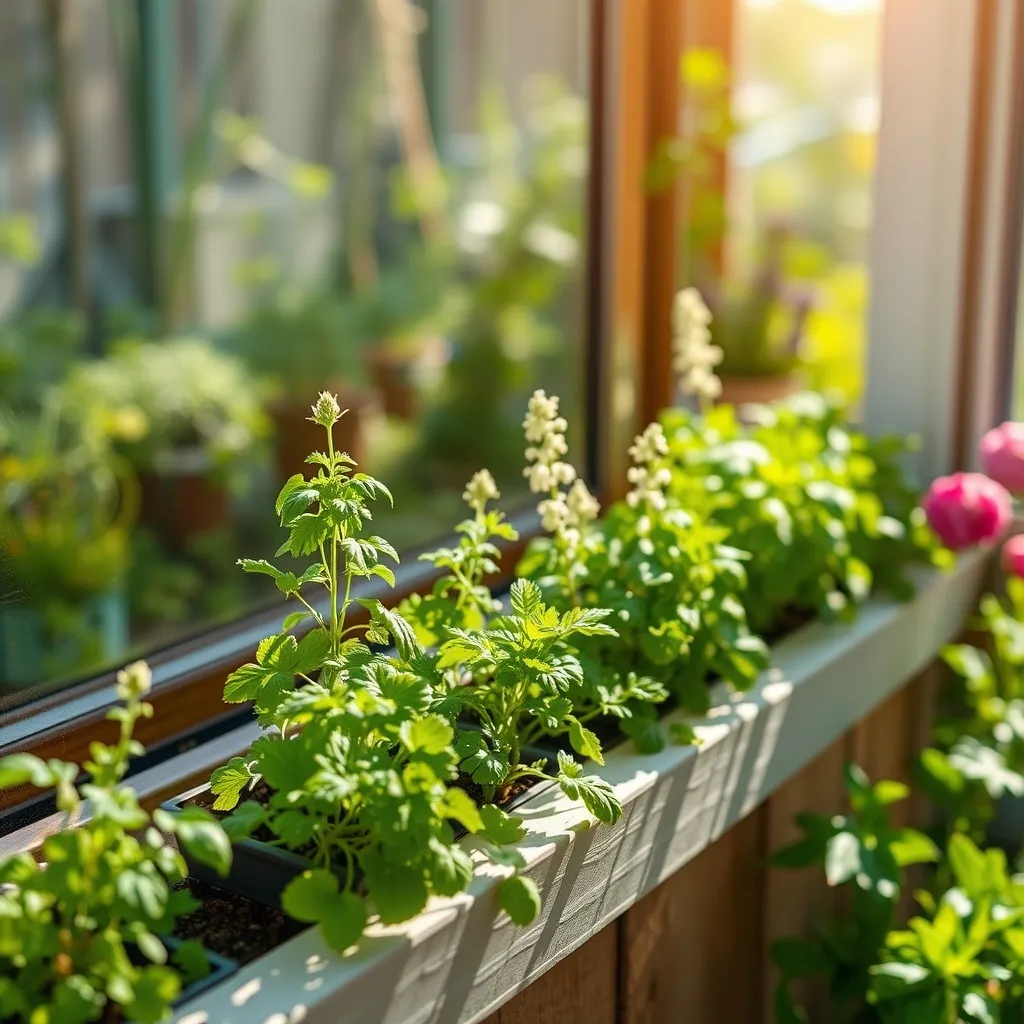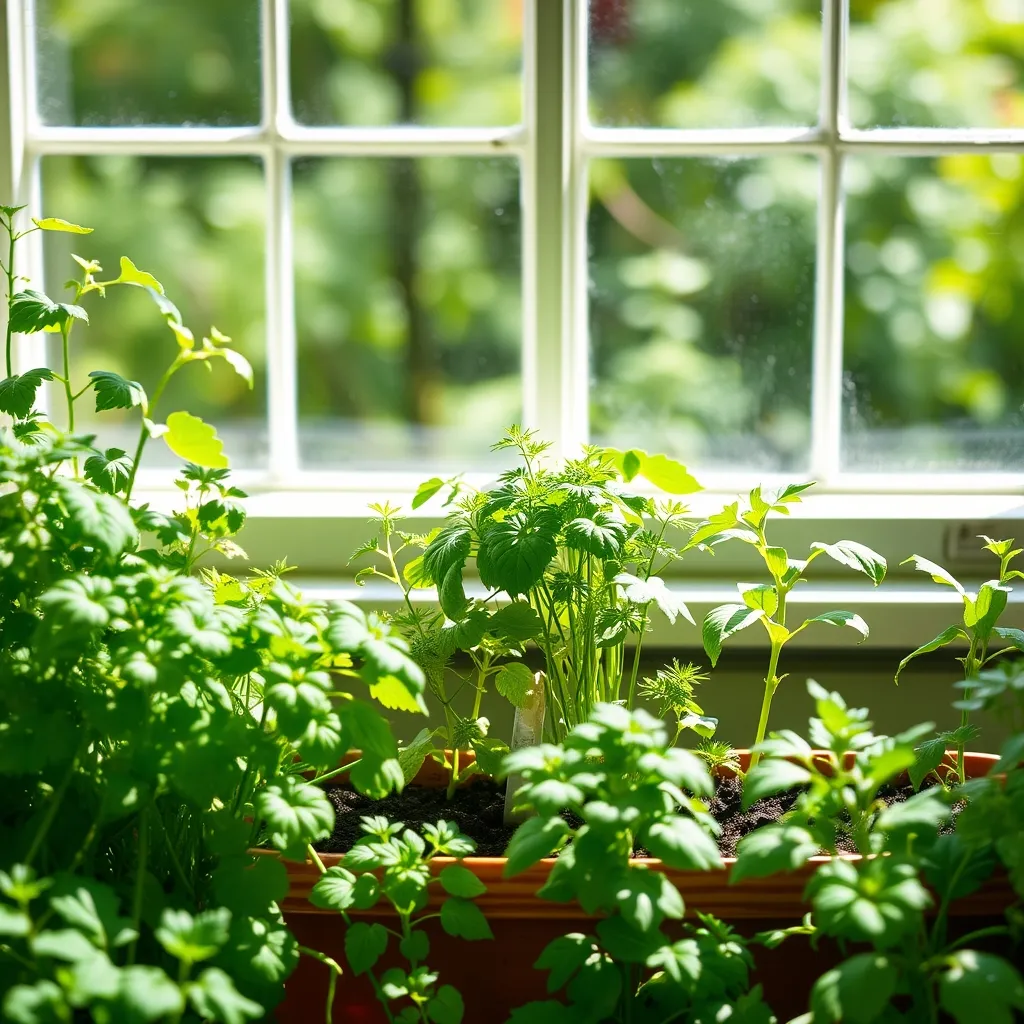
There’s something deeply satisfying about snipping fresh herbs from your own windowsill garden while cooking. Not only do they infuse your dishes with vibrant flavor, but they also bring a touch of greenery to your home. Whether you’re a seasoned gardener or a complete beginner, starting a herb garden on your kitchen windowsill is an easy and rewarding project. Here’s how to get started.
Choose the Right Herbs for Your Space
Not all herbs thrive in the same conditions, so it’s important to select varieties that suit your windowsill’s light and temperature. Basil, parsley, and chives are excellent choices for beginners, as they adapt well to indoor environments and don’t require excessive care. If you love Italian flavors, consider growing oregano or thyme, which also do well in pots. For a refreshing twist, mint is hardy and grows quickly, though it’s best kept in its own container as it can be invasive. If you’re unsure where to begin, the Royal Horticultural Society’s guide to growing herbs offers detailed advice on the best varieties for indoor cultivation.
Before you buy, check the light levels in your kitchen. Most herbs need at least four to six hours of sunlight daily, so a south-facing windowsill is ideal. If your space is shadier, opt for herbs like parsley or cilantro, which tolerate lower light better than basil or rosemary. Once you’ve chosen your herbs, invest in good-quality potting soil—avoid garden soil, as it can compact in containers and hinder drainage.
Care for Your Herbs Like a Pro
Watering is the key to a thriving windowsill herb garden. Herbs prefer slightly moist soil, so water when the top inch feels dry to the touch. Overwatering is a common mistake, so ensure your pots have drainage holes to prevent root rot. A light misting with a spray bottle can help maintain humidity, especially in drier climates. Rotate your pots every few days to encourage even growth, as herbs tend to lean toward the light.
Fertilizing isn’t always necessary, but a diluted liquid fertilizer applied every four to six weeks can give your herbs a boost. Prune regularly to encourage bushier growth and prevent legginess. If you notice your basil plants looking a bit straggly, don’t hesitate to give them a trim—just be sure to leave enough leaves for the plant to recover. For more tips on growing basil to its full potential, check out our guide on how to grow basil with big, fragrant leaves.
With a little patience and care, your windowsill herb garden will flourish, providing you with fresh flavors all year round. Whether you’re garnishing a pasta dish with fresh parsley or adding a sprig of mint to your tea, the rewards of homegrown herbs are well worth the effort.