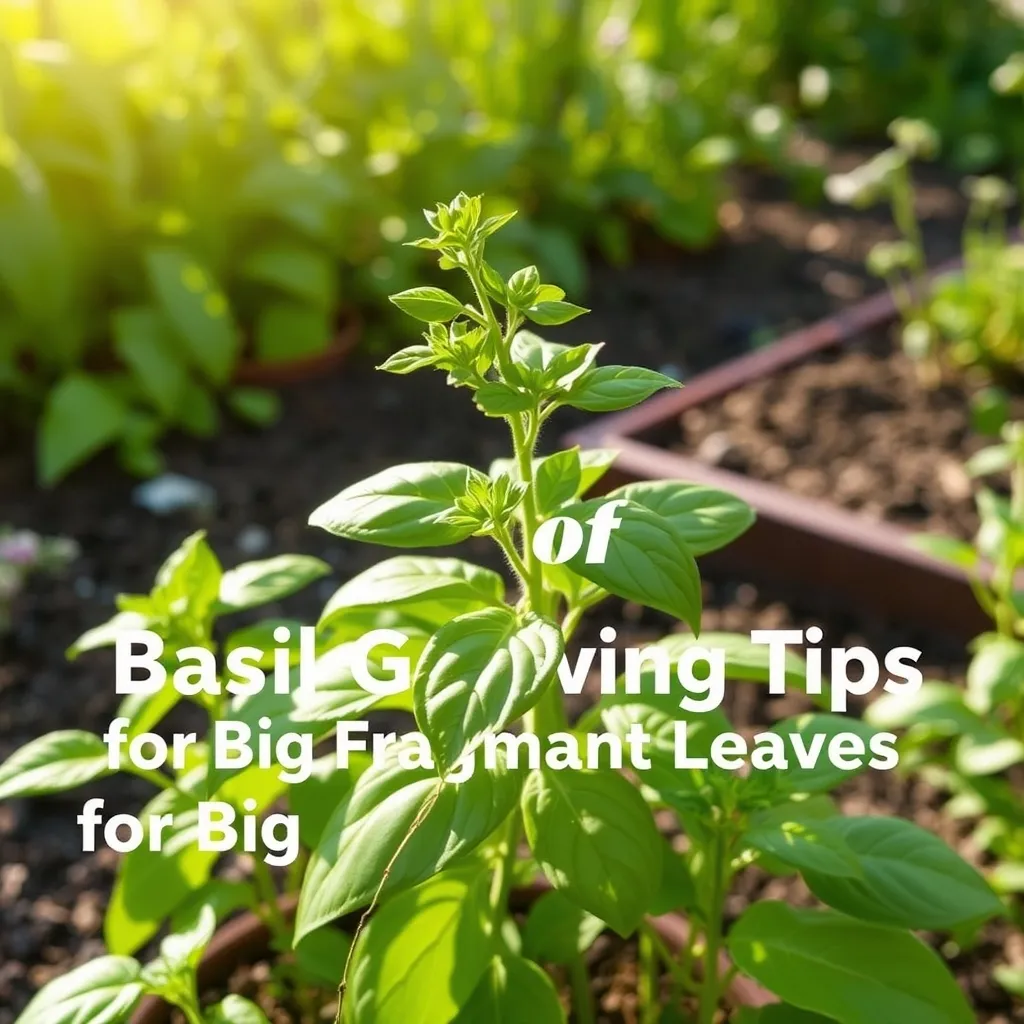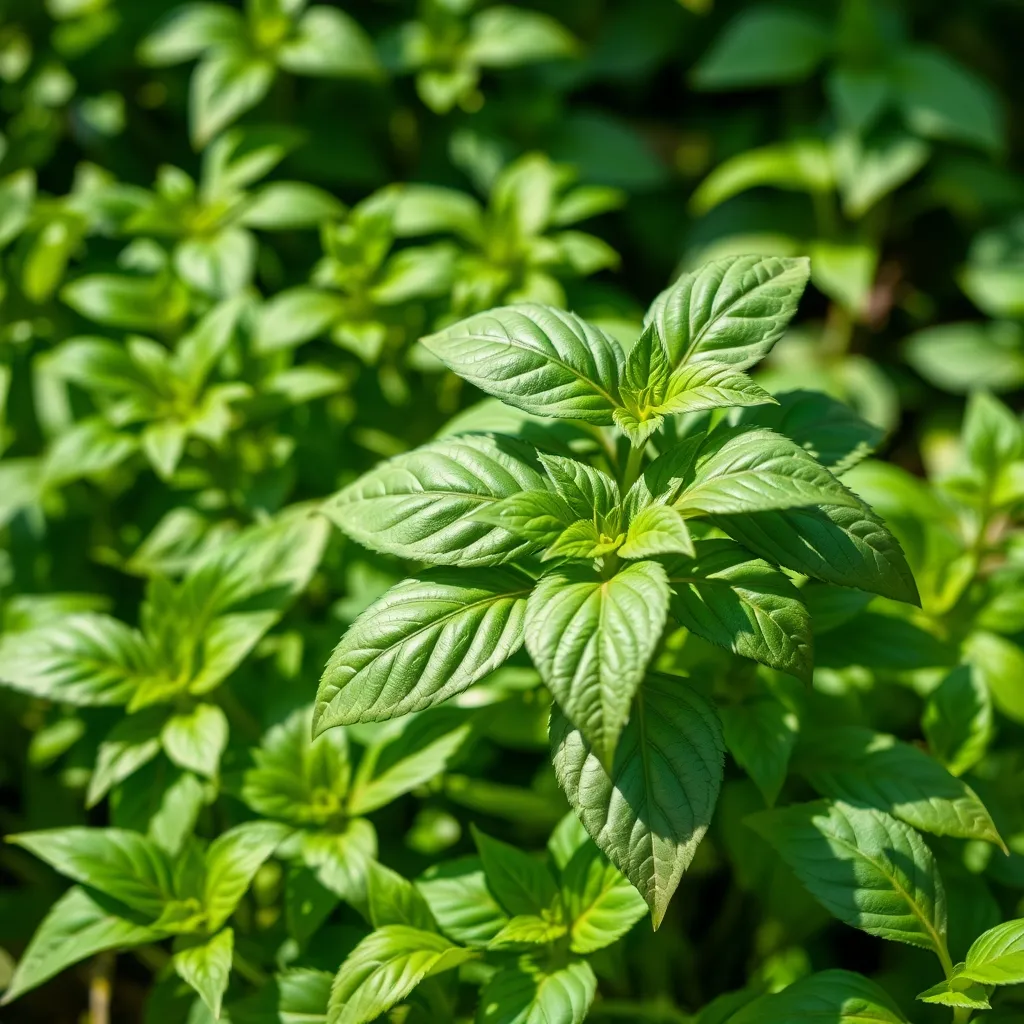
Few herbs captivate the senses quite like basil. Its bright, peppery aroma and velvety leaves elevate everything from pesto to salads, making it a garden staple. But growing basil to its full potential—with large, fragrant leaves—requires more than just sunlight and water. Whether you're nurturing a windowsill herb garden or tending to a sprawling plot, these time-tested tips will help you coax out the best from your plants.
Start with the right variety. While sweet basil is the most common, varieties like Genovese, Thai, and lemon basil each bring unique flavors and growth habits. Choose one that suits your culinary preferences and growing conditions. If you're new to herb gardening, consider starting with a small windowsill garden, where you can easily monitor moisture and sunlight. This approach minimizes the risk of overcrowding and ensures your basil gets the attention it deserves.
Give Basil the Sunlight It Craves
Basil is a sun-loving herb that thrives in at least six to eight hours of direct sunlight daily. In hotter climates, partial afternoon shade can prevent leaf scorch, but too little light leads to leggy, weak stems and diminished flavor. If you're growing basil indoors, place it near the brightest window or supplement with a grow light to mimic natural conditions. Remember, the more light your basil receives, the more robust and aromatic its leaves will become.
Rotate your pots regularly to ensure even growth, as plants naturally lean toward the light. This simple habit prevents one-sided development and encourages a bushier, more balanced shape. For outdoor gardeners, spacing is key—plant basil at least 12 inches apart to allow for air circulation, which reduces the risk of fungal diseases like downy mildew.
Water Wisely to Avoid Common Pitfalls
Basil's love for moisture is well-documented, but overwatering is a frequent mistake that leads to root rot and stunted growth. The soil should be consistently moist but never soggy. Water deeply when the top inch of soil feels dry to the touch, and always avoid wetting the leaves, which can encourage disease. A drip irrigation system or soaker hose is ideal for delivering water directly to the roots without splashing foliage.
Mulching around your basil plants can help retain soil moisture and regulate temperature, especially during the peak of summer. Organic mulches like straw or shredded leaves also suppress weeds and gradually enrich the soil as they break down. For more detailed guidance on soil health and watering techniques, the Royal Horticultural Society offers excellent resources tailored to herb cultivation.
Finally, don't shy away from pruning. Pinching off the top set of leaves when the plant reaches about 6 inches tall encourages branching and results in a fuller, more productive basil plant. Regular harvesting not only provides you with fresh leaves but also prevents the plant from flowering too early, which can make the leaves bitter. With these strategies, you'll be rewarded with a bounty of fragrant, flavorful basil all season long.