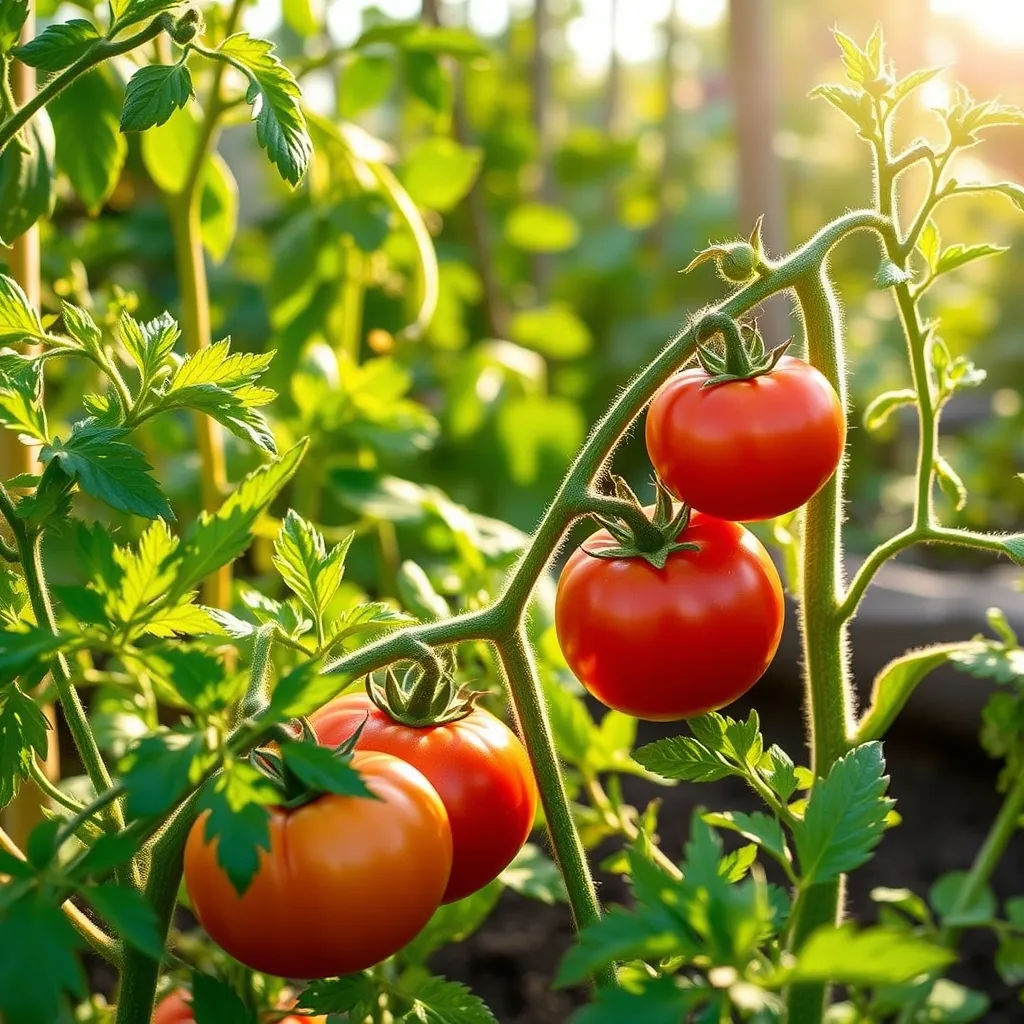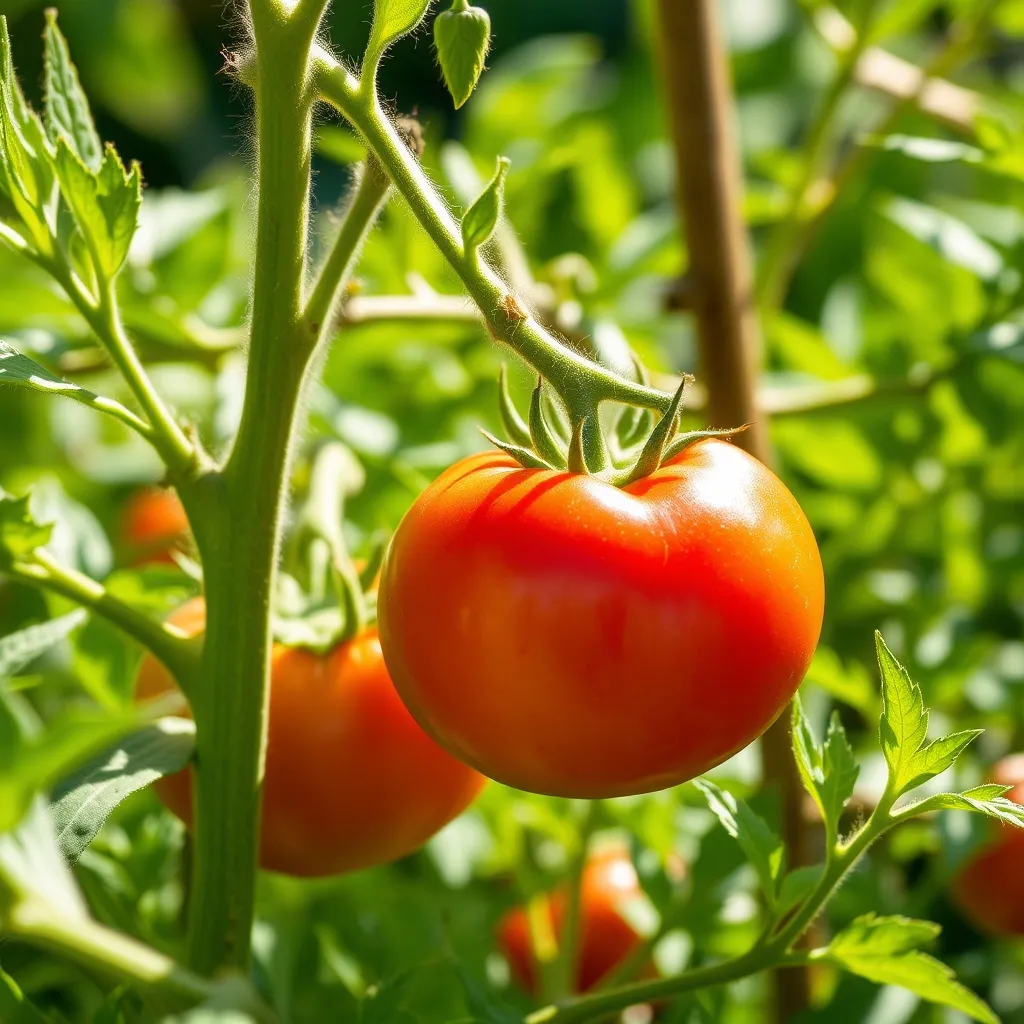
Few garden crops offer the satisfaction of a homegrown tomato. Bursting with flavor and vibrant color, these sun-loving fruits reward patient gardeners with a bounty of harvests. Whether you're tucking them into raised beds, containers, or in-ground plots, tomatoes thrive with the right care and conditions. Let’s walk through the essential steps to grow tomatoes that are as delicious as they are beautiful.
Choosing the Right Variety and Starting Strong
Tomatoes come in a dazzling array of shapes, sizes, and flavors, from the classic beefsteak to the sweet cherry varieties. For beginners, disease-resistant hybrids like 'Mountain Merit' or 'Celebrity' offer reliability, while heirlooms such as 'Brandywine' deliver unmatched taste at the cost of extra vigilance against pests. Start seeds indoors 6-8 weeks before the last frost, using a well-draining seed-starting mix. Keep the soil consistently moist and provide plenty of light—either a sunny windowsill or a grow light—to prevent leggy seedlings. Once temperatures stay above 50°F (10°C) at night, harden off your seedlings by gradually exposing them to outdoor conditions over a week before transplanting.
If starting from seed feels daunting, nurseries offer a wide selection of healthy young plants. Just be sure to choose stocky, compact seedlings with no signs of yellowing or wilting. For those with limited space, compact determinate varieties like 'Patio Princess' are ideal for containers, while indeterminate types such as 'Sungold' will reward you with continuous harvests throughout the season.
Nurturing Your Plants to a Bountiful Harvest
Tomatoes demand full sun—at least 6-8 hours daily—and rich, well-draining soil. Amend your planting area with compost to boost fertility and structure, and consider using a raised bed if your native soil is heavy or poorly draining. Space plants 18-24 inches apart to ensure good air circulation, which helps prevent fungal diseases like blight. Stake or cage your tomatoes early to support their growth and keep fruit off the ground, reducing the risk of rot and pest damage.
Water deeply but infrequently, aiming for the base of the plant to keep foliage dry. Consistent moisture is key, especially during flowering and fruiting, but avoid overwatering, which can lead to cracked fruits or blossom end rot. Feed your plants with a balanced fertilizer when they begin to set fruit, and supplement with calcium if you notice signs of blossom end rot. Mulching around the base with straw or grass clippings helps retain moisture and suppress weeds, giving your tomatoes the best chance to thrive.
For gardeners eager to dive deeper into soil health and plant care, the Royal Horticultural Society’s tomato guide offers expert advice on everything from pruning to troubleshooting common issues. With a little attention and the right techniques, you’ll be harvesting plump, sun-warmed tomatoes that taste worlds apart from store-bought varieties. Happy growing!