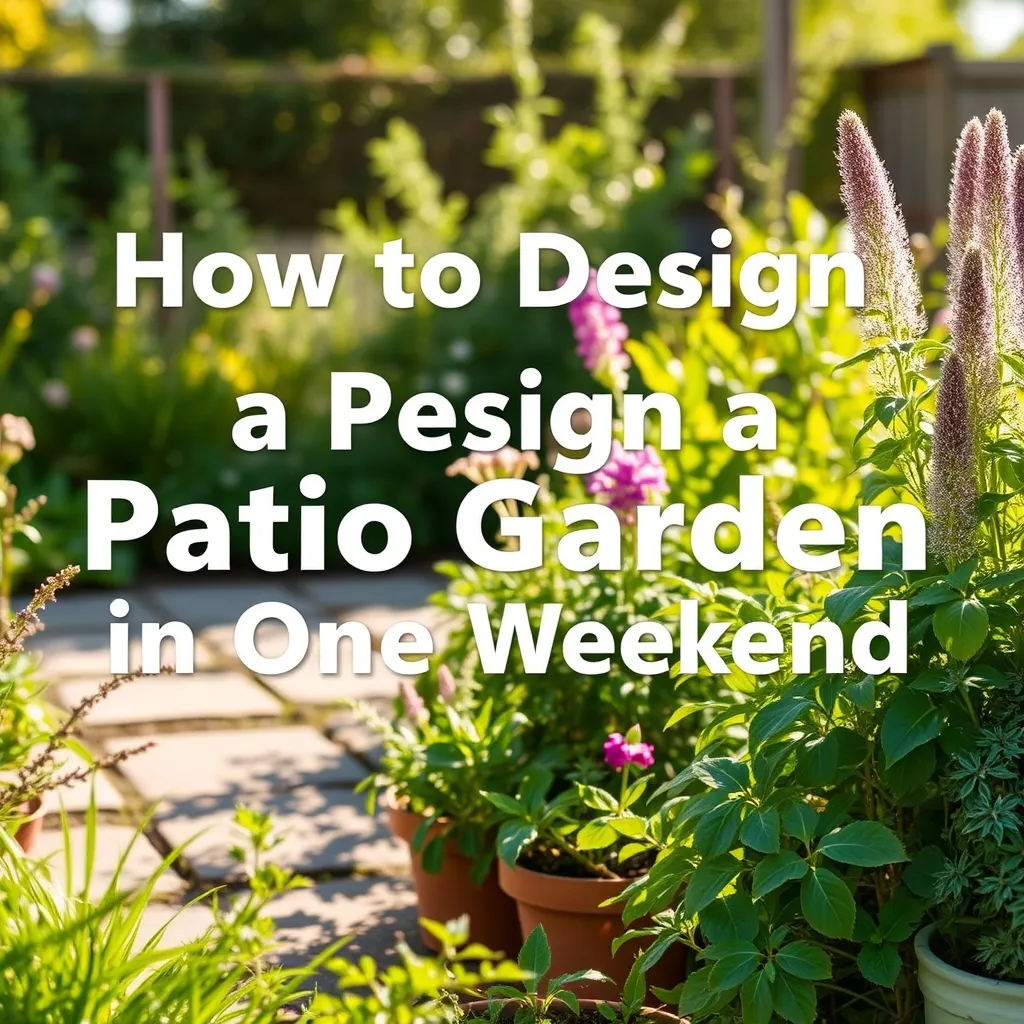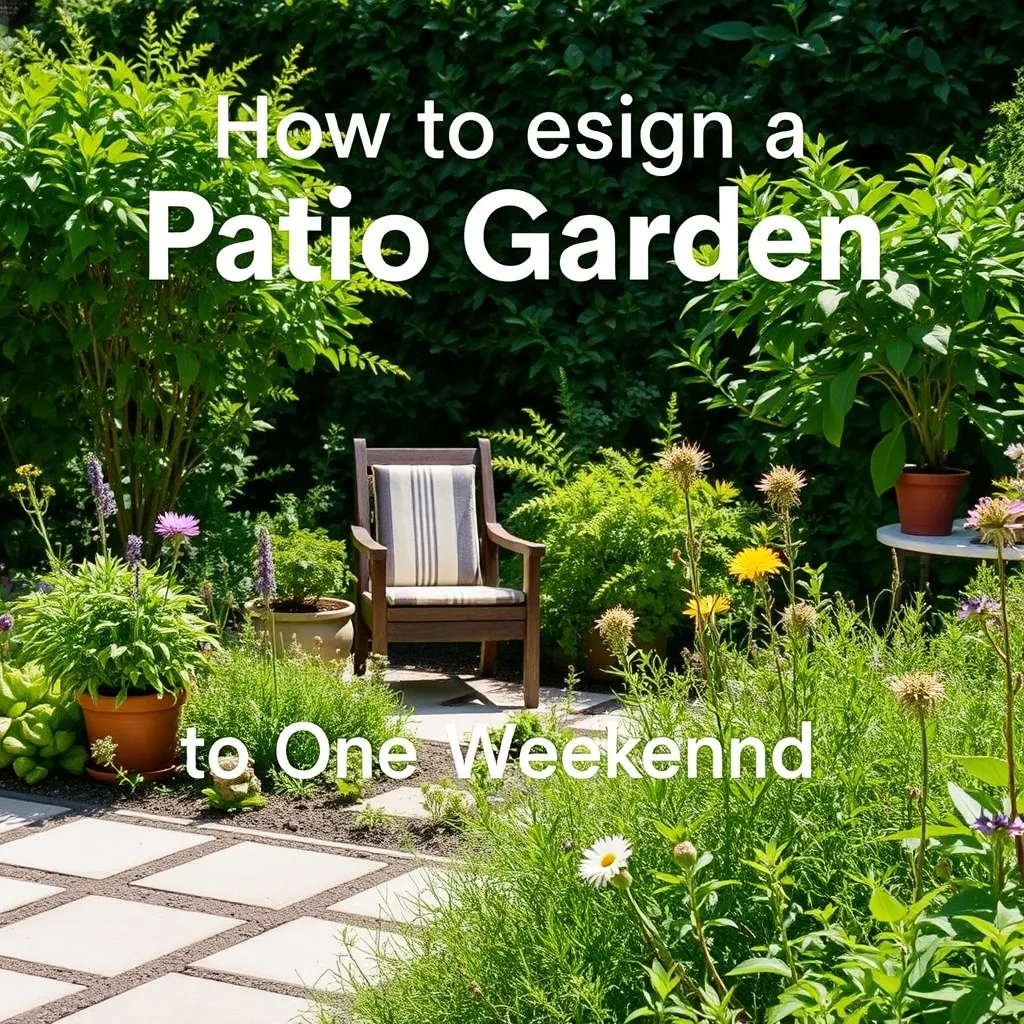
Your patio doesn’t have to be a blank slate of concrete or tiles. With a little planning and some strategic plant choices, you can turn it into a vibrant garden retreat over a single weekend. Whether you’re working with a small balcony or a sprawling terrace, the key is to focus on simplicity, functionality, and a touch of personality. Here’s how to get started.
Plan Your Space Like a Pro
Before you rush to the garden center, take a moment to sketch out your patio’s layout. Measure the dimensions and note any existing features like railings, steps, or furniture that you’ll need to work around. Think about how you use the space—do you need room for a bistro set, a cozy seating nook, or perhaps a vertical garden to maximize greenery in a tight spot? If you’re working with a tight budget, consider repurposing materials like wooden crates for planters or using terracotta pots for a classic look. For inspiration on budget-friendly backyard transformations, check out our guide on backyard landscaping ideas for small budgets.
Lighting is another crucial element that’s often overlooked. String lights, solar-powered lanterns, or even a few well-placed candles can create a magical ambiance as the sun sets. If your patio gets a lot of direct sunlight, opt for heat-tolerant plants like lavender or succulents to keep your garden thriving without constant upkeep. For shade-loving spots, ferns and hostas are excellent choices. To ensure your plant selections are well-suited to your climate, consult the Royal Horticultural Society’s plant finder, a trusted resource for gardeners worldwide.
Bring Your Garden to Life in a Weekend
Day one is all about preparation. Start by clearing the space and giving it a thorough clean. If your patio has cracks or uneven surfaces, use a concrete patch or leveling compound to create a smooth foundation for your pots and planters. Next, choose a color scheme for your garden to create a cohesive look. Soft pastels can evoke a cottage garden feel, while bold, contrasting colors like deep purples and bright oranges can make a statement. Don’t forget to layer your plants by height—taller varieties at the back, mid-sized plants in the middle, and trailing plants like ivy or petunias spilling over the edges of containers.
On day two, focus on the finishing touches. Arrange your pots and planters according to your layout, leaving enough space between them for easy maintenance. Add a layer of mulch to retain moisture and suppress weeds, and don’t forget to water your new plants thoroughly. If you’re feeling ambitious, consider adding a small water feature like a tabletop fountain or a birdbath to attract wildlife and add a soothing soundtrack to your outdoor oasis. By the time the weekend is over, you’ll have a patio garden that’s not only beautiful but also a true extension of your living space—perfect for relaxing with a book, hosting friends, or simply enjoying a cup of tea surrounded by nature.