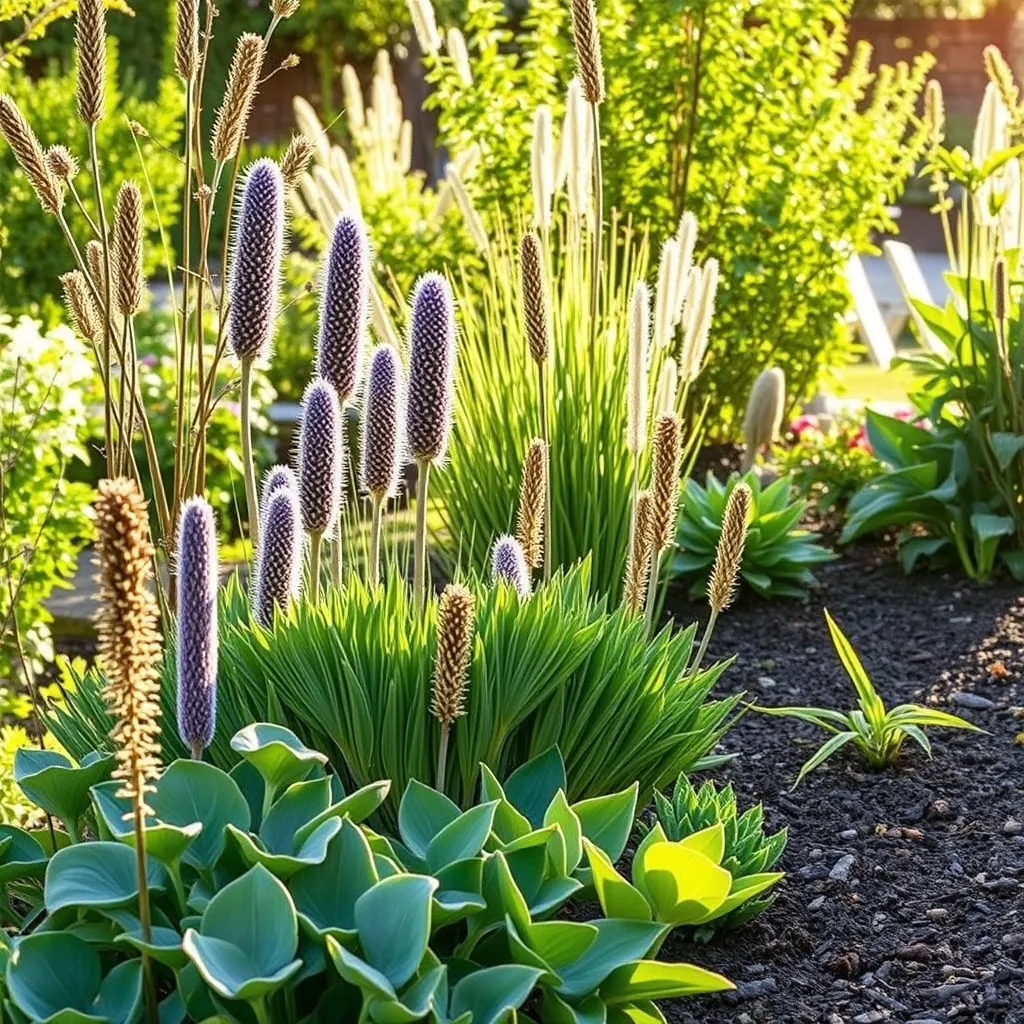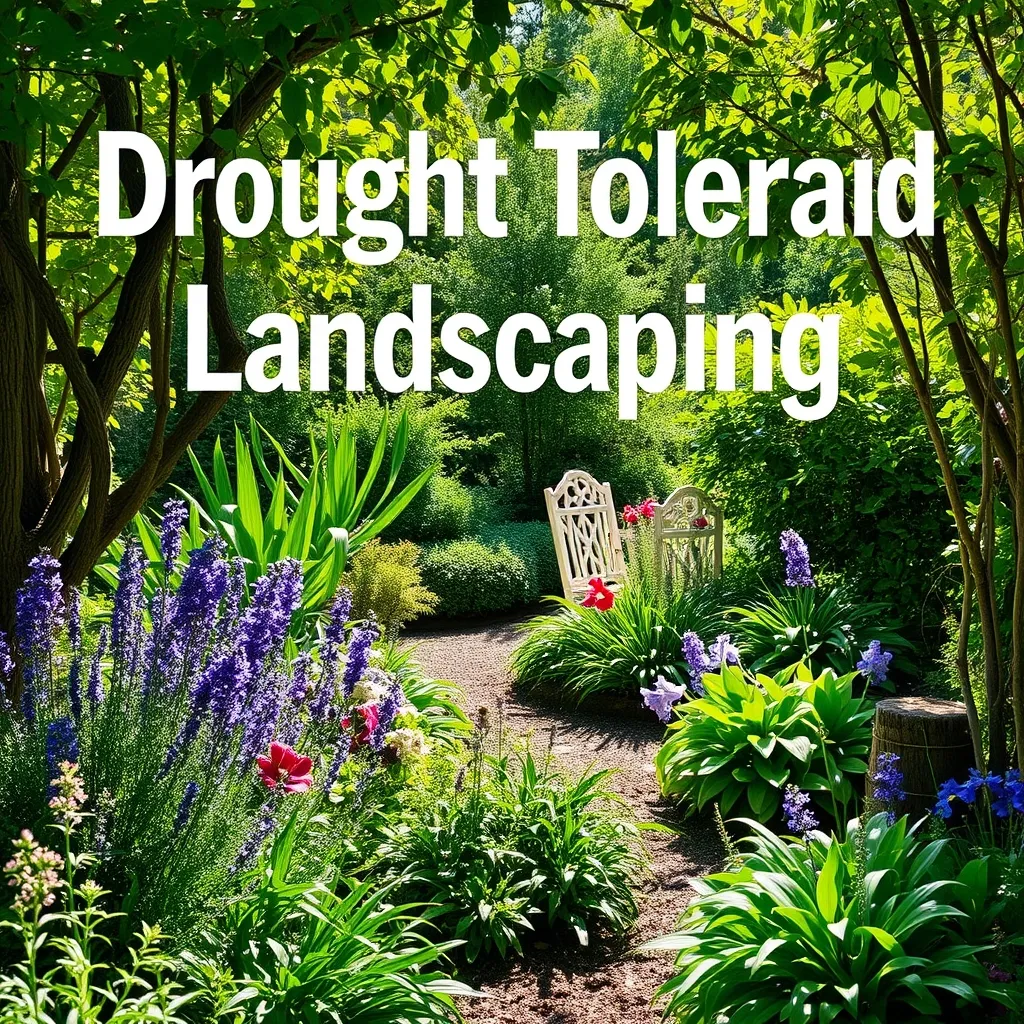
As climate patterns shift and water restrictions become more common, gardeners are turning to drought tolerant landscaping as a practical and beautiful solution. By selecting the right plants and designing with efficiency in mind, you can create a thriving garden that requires minimal irrigation. The key is to work with nature, not against it, by embracing plants that have evolved to flourish in arid conditions.
One of the most effective ways to reduce water usage in your garden is to group plants with similar water needs together. This technique, known as hydrozoning, ensures that each section of your landscape receives the appropriate amount of moisture without waste. For example, native grasses and succulents thrive in dry, sunny areas, while ferns and moisture-loving perennials can be placed in shadier spots where the soil retains more humidity. For more budget-friendly ideas on how to maximize your outdoor space, consider exploring backyard landscaping ideas for small budgets.
Choosing the Right Plants for a Water-Wise Garden
When selecting plants for a drought tolerant landscape, prioritize species that are native to your region or have adapted to similar climates. These plants are naturally hardy and require far less supplemental water once established. In Mediterranean climates, lavender, rosemary, and salvia are excellent choices, while in desert regions, agave, yucca, and penstemon add striking texture and color. Ground covers like creeping thyme or sedum can also reduce evaporation by shading the soil and retaining moisture.
For a deeper dive into plant selection, the Royal Horticultural Society’s plant database offers a comprehensive guide to drought-resistant species, complete with care tips and growing conditions. Their resources can help you identify the best options for your specific location and soil type.
Designing for Efficiency and Beauty
Beyond plant selection, the layout of your garden plays a crucial role in water conservation. Incorporating elements like mulch, gravel, or permeable paving can significantly reduce runoff and evaporation. Mulch, in particular, acts as a protective layer, keeping soil temperatures stable and preventing moisture loss. Consider using organic mulches like bark chips or straw, which gradually decompose and enrich the soil.
Another design strategy is to create focal points with hardscaping, such as stone pathways, dry river beds, or decorative boulders. These features not only add visual interest but also break up expansive lawns that demand frequent watering. For inspiration on how to blend hardscaping with planting, many gardeners find value in experimenting with different textures and colors to achieve a balanced, cohesive look.
Drought tolerant landscaping isn’t just about survival—it’s about creating a garden that celebrates resilience and sustainability. With thoughtful planning and a little creativity, you can design a landscape that thrives in dry conditions while reducing your environmental footprint. Start small, observe how your garden responds, and adjust as needed. Your future self—and the planet—will thank you.